BEFORE THE DETAILS
- Start with viewing distance and name legibility, then choose the letter style.
- Resolve lighting, background and mounting together before approving the design.
- Send a frontage photo, its dimensions and the logo file for a clearer quote.
1. Design for the street view
Look at the frontage directly and from both approaches. Will customers read the sign while walking or from a vehicle? Could a tree, projection or neighbouring sign obscure it? A close-up does not show every viewing condition, so send both a nearby photograph and a wider street view.
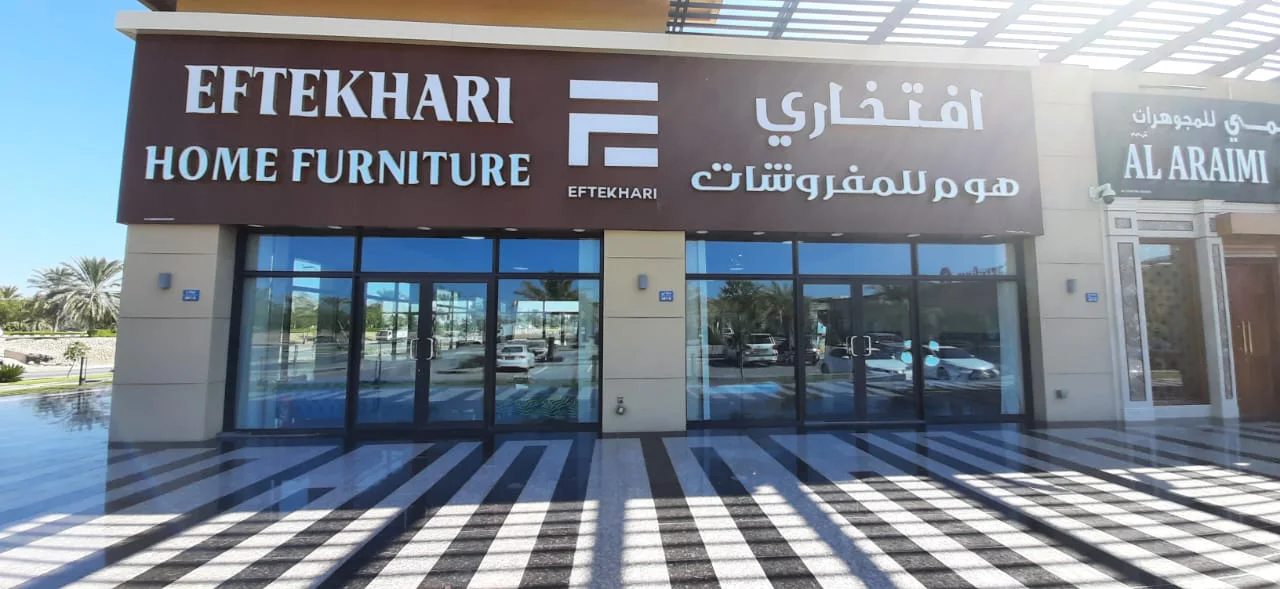
Give the business name the clearest position. A short service description can help when it adds meaning, with space around the text. For bilingual signs, give Arabic and English a readable arrangement instead of squeezing both into a narrow strip.
2. Measure the sign area, not only the building
Record the available width and height, plus doors, glazing and columns. Say whether the frontage is flat, has a corner or includes a projection. These details affect letter placement, the background construction and the parts of the building that must stay visible.
Approximate dimensions are useful for the first discussion, but final measurements come before production. Do not derive letter dimensions from an uncalibrated photograph: perspective can make the space appear larger or smaller than it is.
| Item | What to record |
|---|---|
| Width and height | Measure the available sign area and state the unit. |
| Space around the name | Allow enough clear space for the name to be read without crowding. |
| Frontage details | Record doors, glazing, columns and projections that affect the layout. |
3. Choose a construction that fits the use
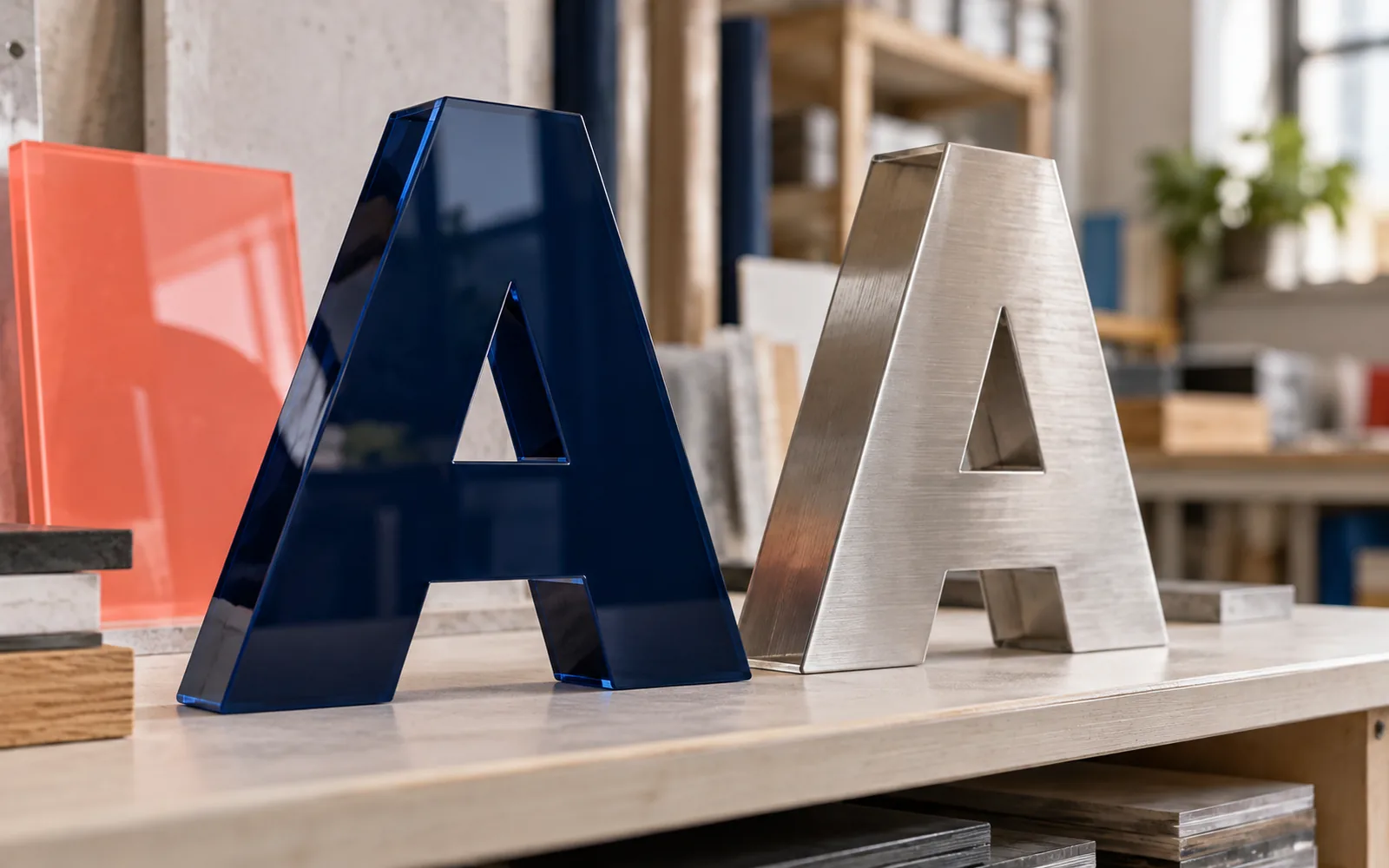
The result may be a printed panel, separate raised letters or illuminated letters with a purpose-made background. First define the sign’s job: a business name, a prominent logo or information and directions. Then review materials and finishes for the location.
| Construction | What it provides | What to review |
|---|---|---|
| Printed background | Space for graphics and information | Substrate, print and finishing |
| Raised letters | Depth and separate letter forms | Material, thickness and mounting |
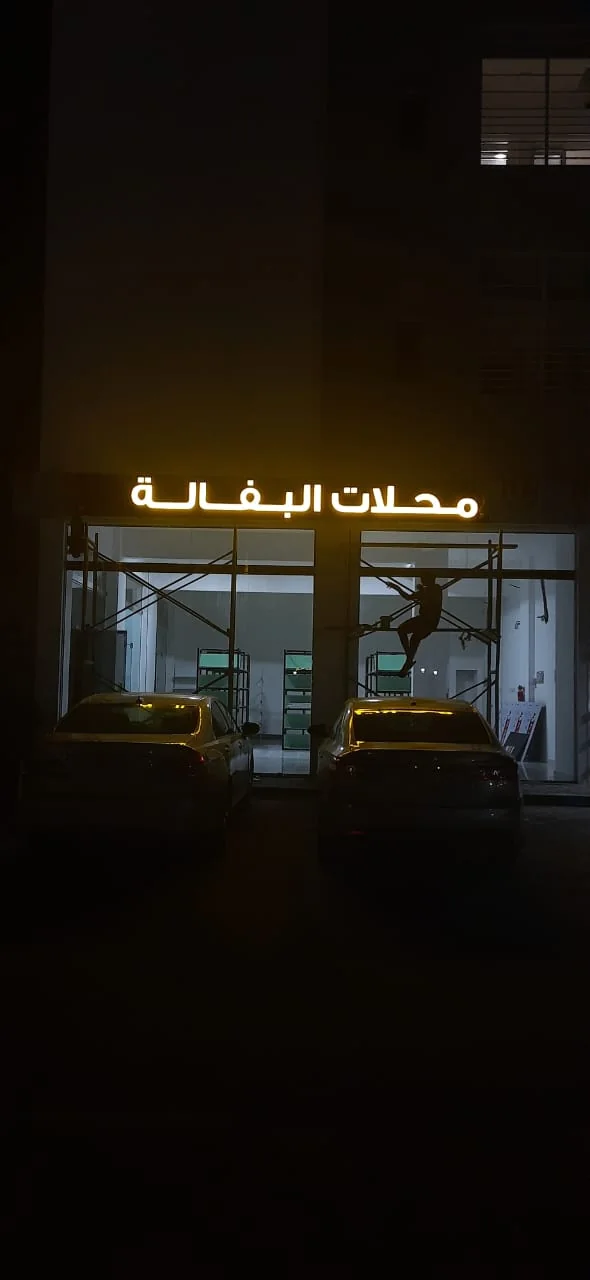
| Illuminated letters | A name with integrated lighting | Light direction, connections and maintenance |
4. Review the daytime and evening appearance
Logo colours and contrast against the background matter during the day. After dark, the lighting construction changes the letter edges and appearance. Discuss whether you want light through the face or a glow behind the letters, and ask how the name will look in each case.
Review the power location and access to components for maintenance. Outdoor components and mounting are selected for the site and its exposure to sunlight, dust and water; appearance alone does not define the system.
5. What should you send for a quote?
Price depends on sign size, materials, letter count and detail, lighting, the existing frontage and installation scope. For a useful comparison, request a clear description of what is included instead of comparing only the total.
- A direct frontage photo, a wider view and the location.
- Width and height, with the measurement unit.
- The business name in both languages and the logo file, if available.
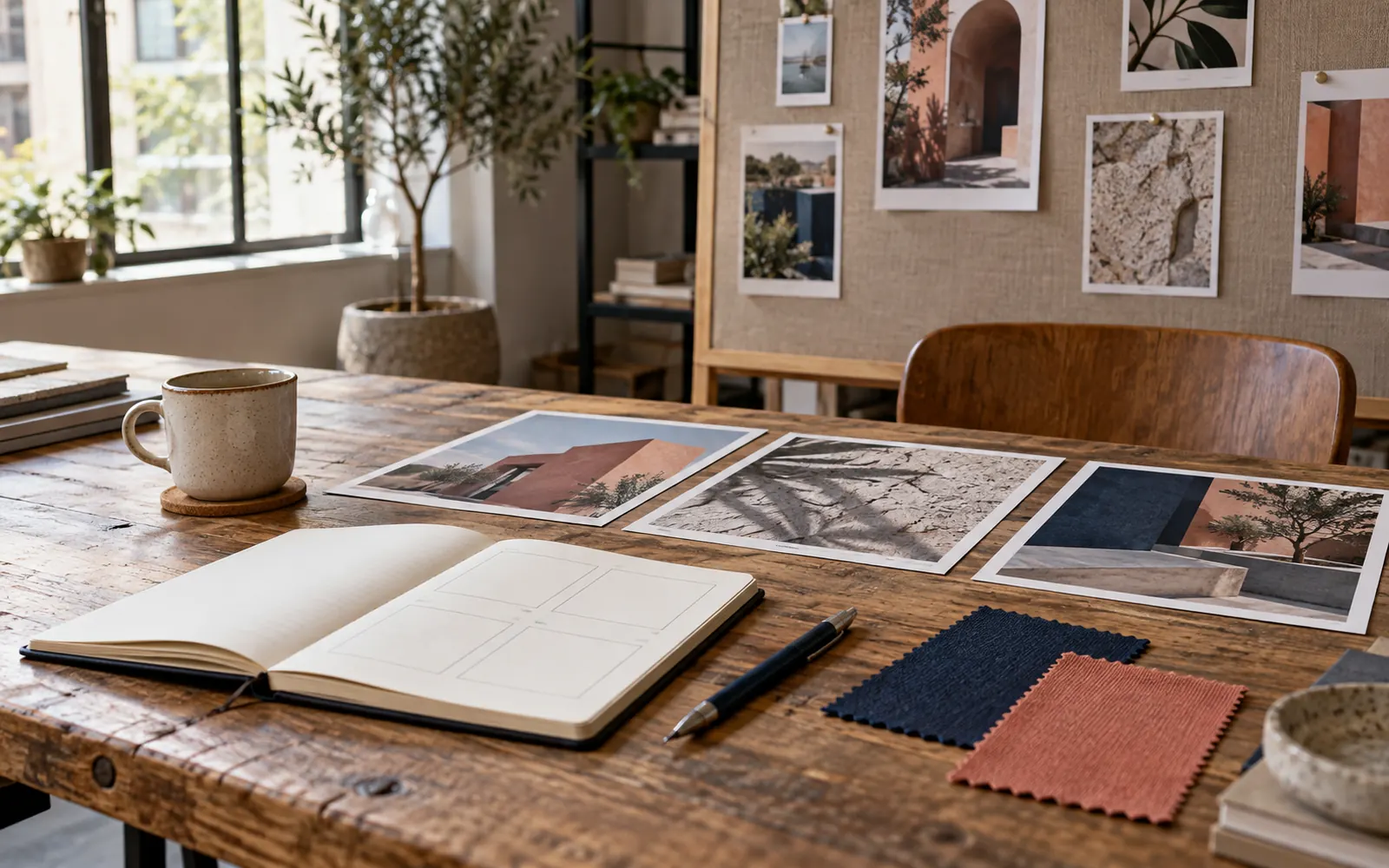
- The intended lighting and a visual reference.
- The required date, and whether removal or new installation is included.
Common questions
Do I need a logo file before contacting you?
You can start with a reference, the business name and approximate dimensions. If the artwork is unsuitable for production, we can discuss preparing or redrawing it as part of the design scope.
Does every shop sign need lighting?
It depends on when the shop needs to be visible, ambient lighting and the desired appearance. Review lighting with the location and design before choosing the construction.
Can a photograph provide a final price?
A photo helps explain the idea, but an accurate quote also needs dimensions, materials, lighting and installation scope. Final site measurements may be needed before production.
YOUR NEXT STEP
Turn the details into a clear brief.
Send a frontage photo and dimensions, and tell us whether you want illuminated or non-illuminated lettering.