BEFORE THE DETAILS
- Compare construction, finish and illumination, as well as the material.
- An illuminated letter can combine an acrylic face with a metal body.
- Location, dimensions and mounting define the specification and quote.
1. What does acrylic offer?
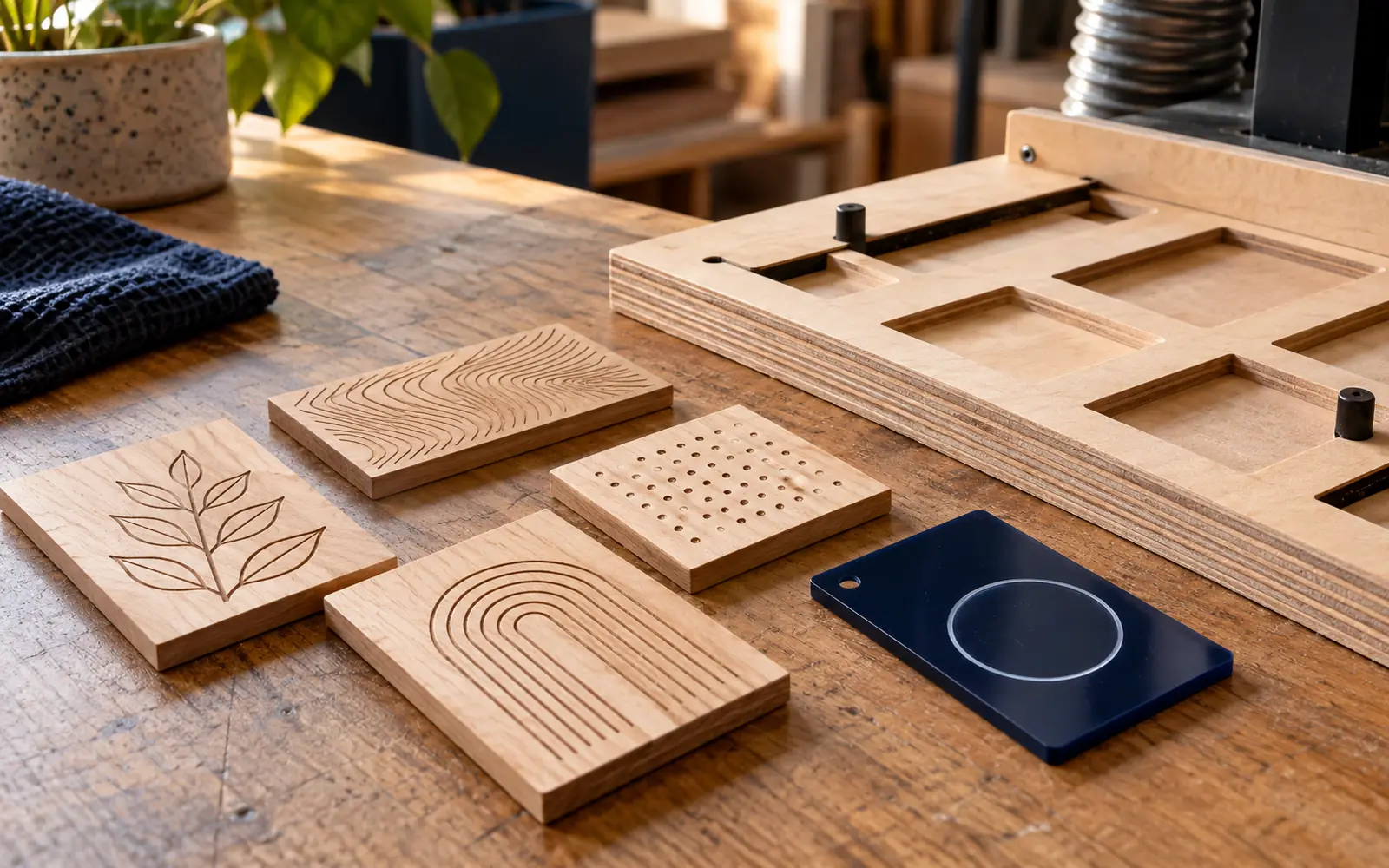
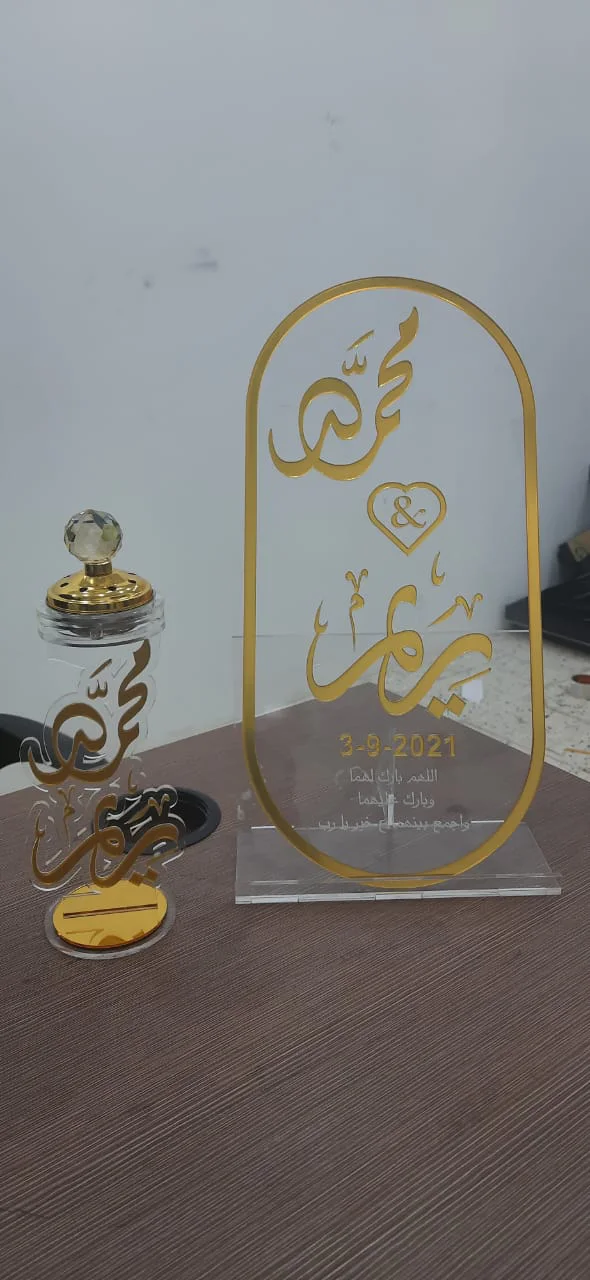
Acrylic is used for names, logos, displays and custom pieces. Define colour, thickness and construction: a flat piece, layered lettering or the face of an illuminated letter. Acrylic is not a lighting system by itself; illumination requires an appropriate construction and components.
For small lettering and fine detail, review connections, Arabic dots and spacing. Minor artwork changes may be needed so the pieces can be cut and mounted clearly.
2. What should you compare in metal letters?
“Metal letters” can mean a flat cut letter or a fabricated body. Finishes can include paint, polished surfaces or a matte appearance. Ask for the metal, finish, depth and mounting method in the quotation because these details affect the result.
If the goal is a particular metal appearance, discuss the surface colour and texture using a sample or clear reference. A phone image can alter your impression of colour and reflection, so agree on the actual finish before production.
3. Sometimes the answer is a hybrid
Some face-lit letters combine a light-diffusing acrylic face with an aluminium or stainless-steel body. Acrylic and metal can therefore be parts of the same letter, with different roles.
Face lighting appears through the letter front; halo lighting creates a glow on the surface behind it. The illustration explains a simplified illuminated-letter construction. Actual components, connections and spacing are reviewed for each project.
| Part | Its role |
|---|---|
| Acrylic face | A light-transmitting face with material and thickness selected for the design. |
| Letter body | Gives the letter depth and houses its components. |
| Lighting components | Reviewed with wiring and maintenance access before production. |
4. A comparison for your project brief
Use this comparison to describe the appearance you want, then review its suitability for the site. One material is not universally cheaper or more suitable: letter size, finish, lighting and installation can change the comparison.
| Construction | Appearance or purpose | Specify in the brief |
|---|---|---|
| Flat or layered acrylic | Colours, lettering and cut shapes | Colour, thickness, layers and mounting |
| Flat or fabricated metal | A metal surface and construction-dependent depth | Metal type, finish and depth |
| Metal body with acrylic face | A construction used for face illumination | Face colour, lighting and maintenance |
5. Review the site before approving materials
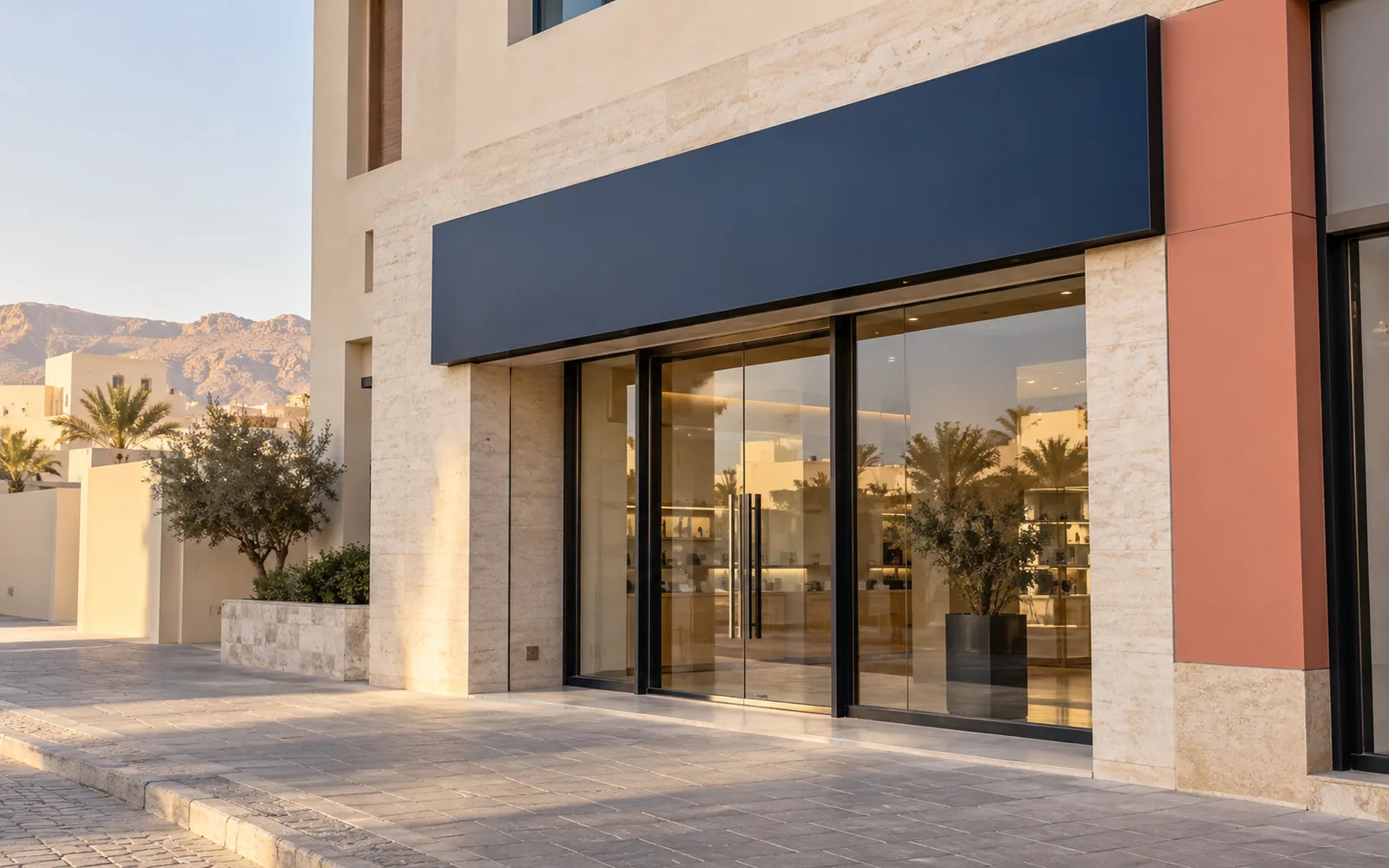
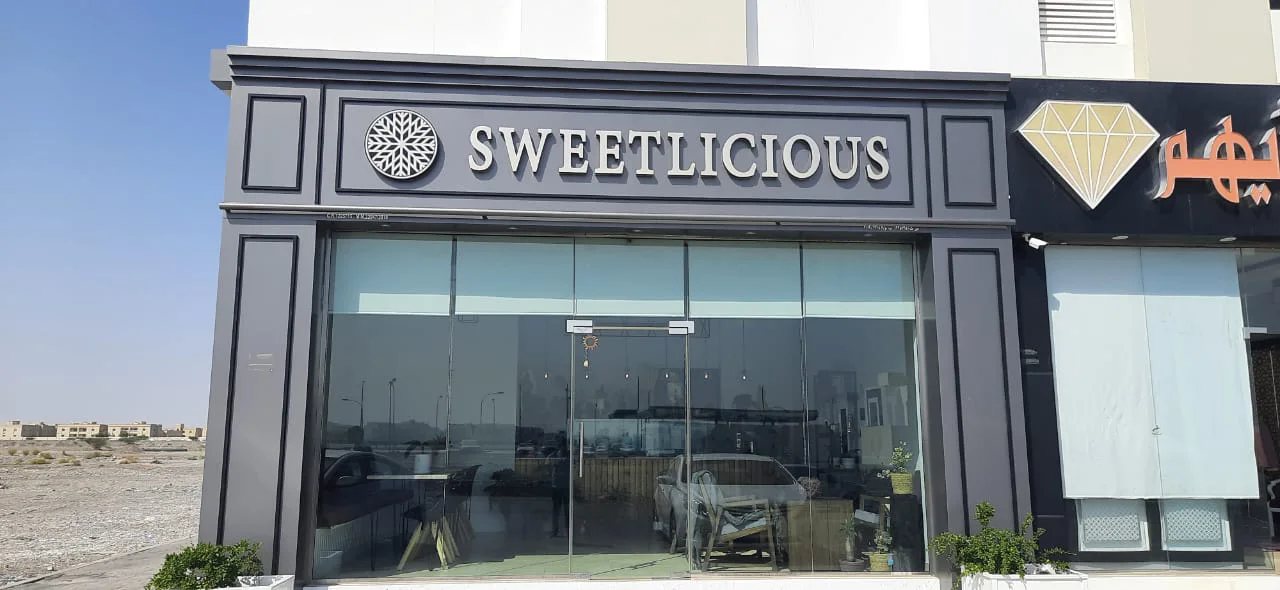
Say whether the sign is indoors or outdoors, what it will be mounted on and whether it needs to be visible after dark. For outdoor work, review exposure to sunlight, dust and water, plus installation and maintenance access. These details help define a construction beyond its appearance.
- Logo artwork and the approved spelling in both languages.
- Final lettering dimensions or the available sign area.
- A site photo and the intended lighting and finish.
Common questions
Are all acrylic letters illuminated?
No. Acrylic can be used for non-illuminated pieces and letters. Illumination requires a specified letter construction, face and lighting components.
Can acrylic and metal be combined?
Yes. Some constructions use an acrylic face with a metal body. Suitability is reviewed against the design, lighting and location.
Which material costs less?
The material name alone is insufficient. Compare matching size, thickness, finish, lighting and installation scope.
Sources and further reading
YOUR NEXT STEP
Turn the details into a clear brief.
Send your logo, sign dimensions and a site photo, with a reference for the finish and lighting you prefer.