BEFORE THE DETAILS
- Approve dimensions, wording, material and lighting before production.
- The visual concept and production artwork serve different purposes.
- Installation and final review belong in the agreed project scope.
1. Turn the idea into a clear brief
Start with the business name, activity and a site photograph. Share the logo and references you like, and say what matters most: the name, brand colour, lighting or frontage appearance. You do not need every manufacturing detail at this stage; first describe the result and its purpose.
Define the scope early: design only, production from supplied artwork, or design, production and fitting. Mention existing work that requires removal or changes because it affects site preparation and pricing.
2. Measurements connect the design to the site
Review the sign area, obstacles, background and letter mounting locations. For illuminated work, include power location and component access. Final measurements establish production dimensions instead of relying on the photograph’s perspective.
Tell us the required date and how the site can be accessed. Scheduling and preparation depend on the work scope and project approvals, so discuss these before agreeing the production programme.
| Stage | Output |
|---|---|
| Idea and references | A clear purpose and agreed reference images. |
| Artwork and specifications | Layout, dimensions and materials. |
| Component production | Components checked before installation. |
| Installation and review | A review of fixing, appearance and final details. |
3. Check the design and specification before approval
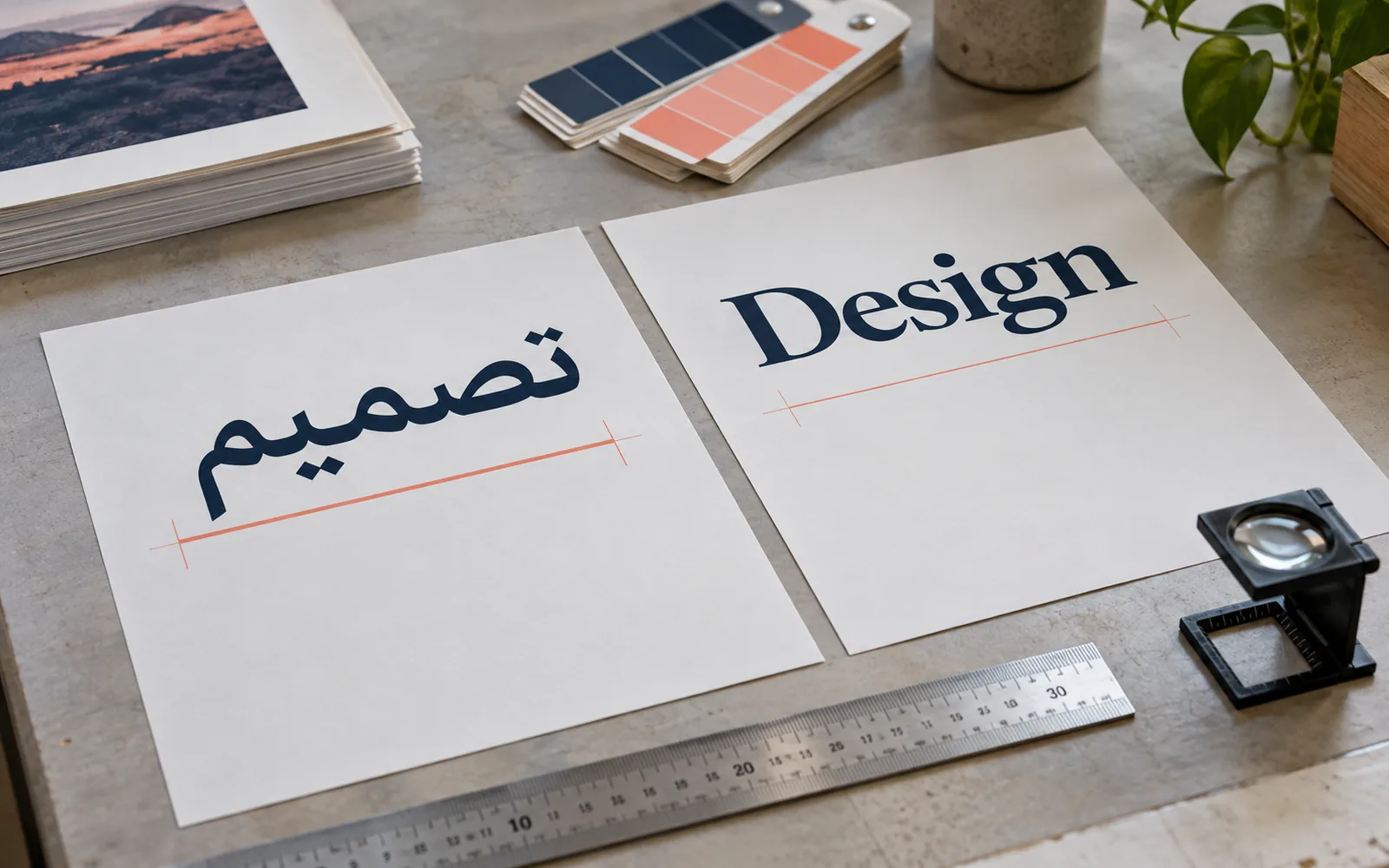
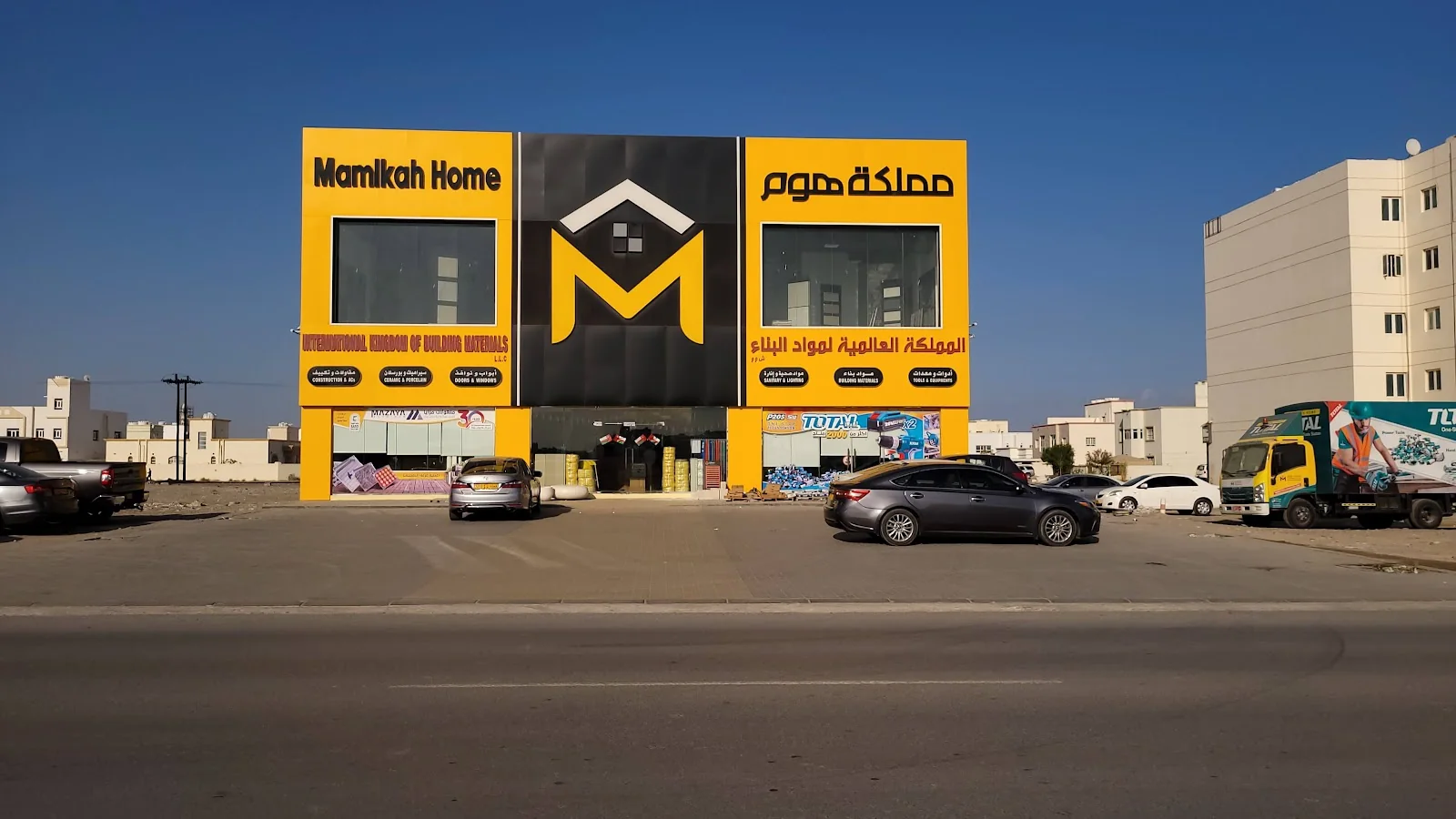
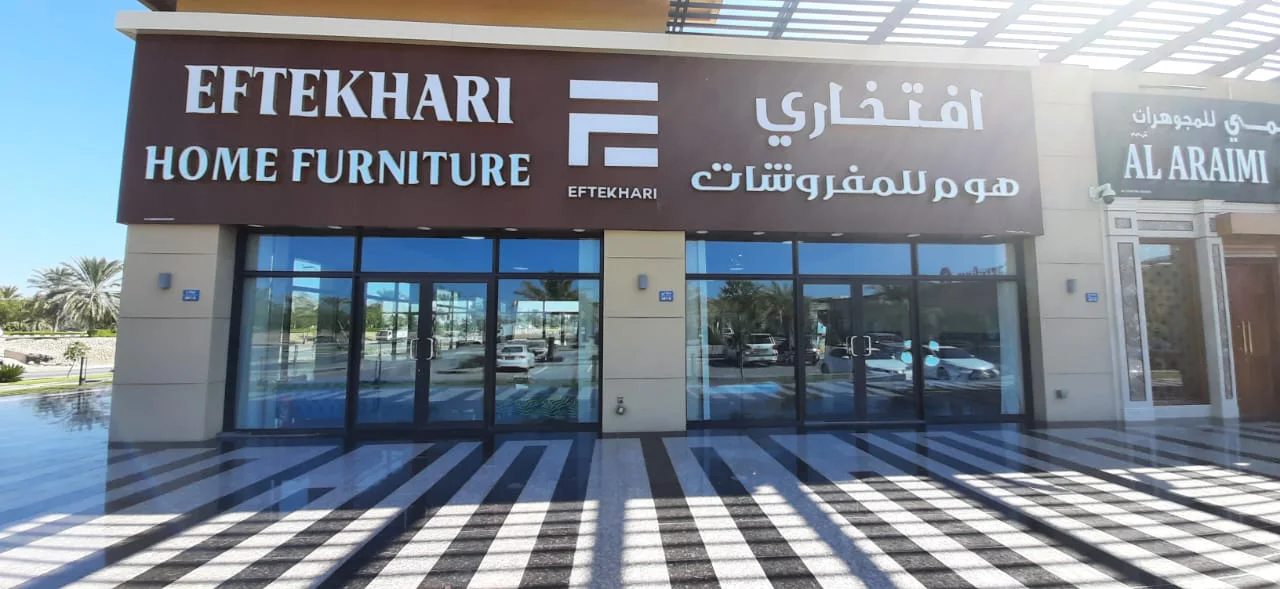
The visual concept shows the name, logo and colours on the frontage. Check Arabic and English spelling, language placement and contrast. A preview image alone does not agree thickness, illumination or materials; these belong in the specification alongside the design.
After approval, prepare the files and paths needed for production. Later changes to wording or size may require revised files or components. Keep an unambiguous final version and written specifications that both sides can refer to.
- Name, logo and spelling in both languages.
- Dimensions, material, finish and illumination.
- Production and fitting scope, including the supplied components.
4. Prepare the components in the workshop
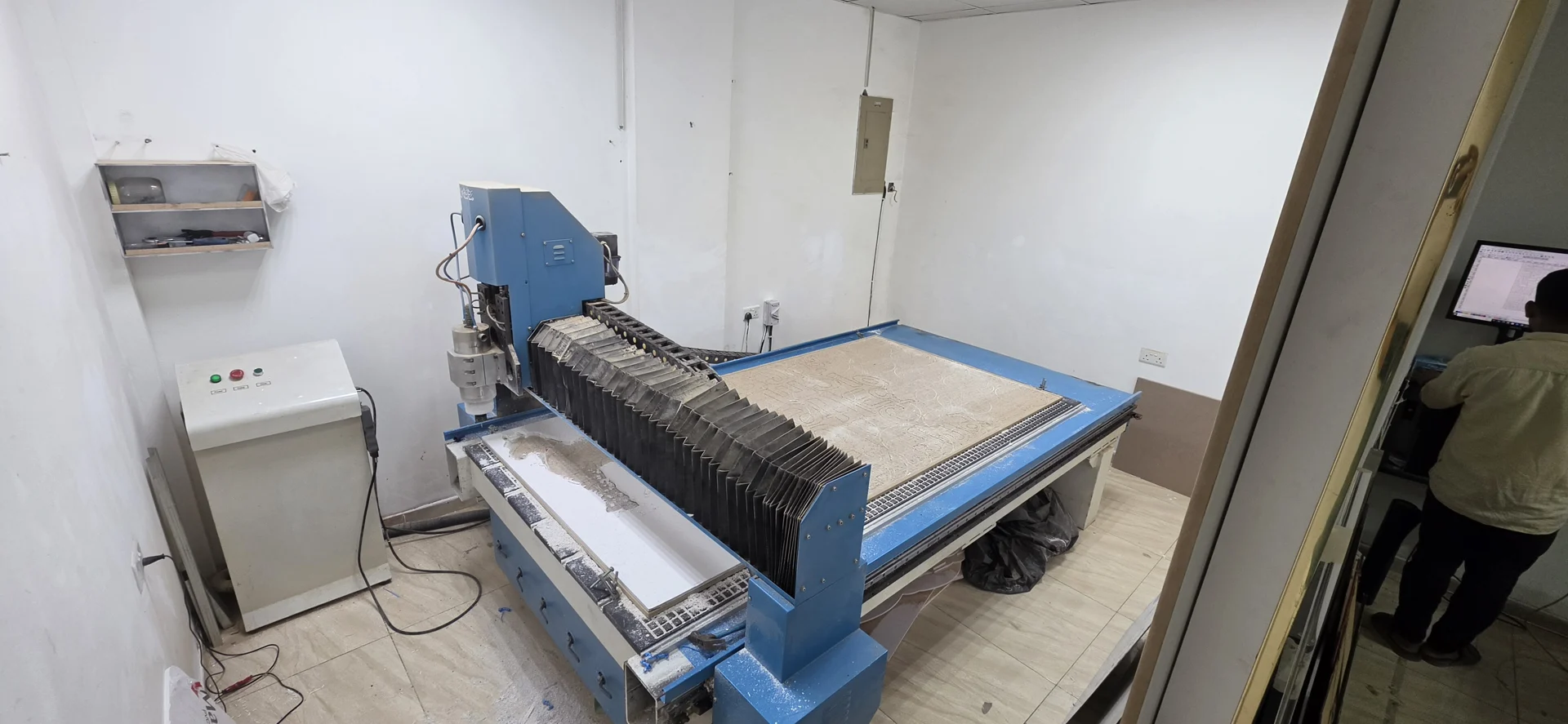
Depending on the construction, production may include printing backgrounds, cutting letters and patterns, preparing panels or assembling illuminated components. Not every sign requires every operation. The approved design, material and specification define the process.
Review parts before taking them to the site: all letters and dots, their arrangement, dimensions and overall appearance. The equipment and work photographs illustrate production examples; they do not establish that every machine was used for the facade shown at the start of this article.
5. Fit the sign and review the result
Review component positions and mounting against the site plan. For illuminated signage, the installation team checks lighting and connections. Explain maintenance access and appropriate surface cleaning at handover.
View the sign from the intended reading distance, then inspect it up close. Check that all name elements are present and arranged as approved. Daytime and evening photographs can help when illumination is part of the brief.
Common questions
Are design and fabrication the same stage?
Design defines appearance and arrangement; production files then follow the dimensions, materials and operation. Both are reviewed before work begins.
Can I send ready artwork for production only?
Yes. Send the artwork, dimensions, material and quantity. Readiness is reviewed and any necessary changes are explained before agreement.
How long does a shop sign take?
Timing depends on specifications, quantity, artwork readiness, site conditions and fitting scope. Agree a date after review instead of applying one duration to every sign.
YOUR NEXT STEP
Turn the details into a clear brief.
Send your idea or a reference, a frontage photo and dimensions, and tell us whether you need design, production and installation.