BEFORE THE DETAILS
- Define the display location, application surface and intended service period before choosing an ink process.
- Compatibility with the exact substrate matters more than the technology name alone.
- Include drying, lamination, cutting and installation in the job schedule.
1. How does a roll-fed printer work?
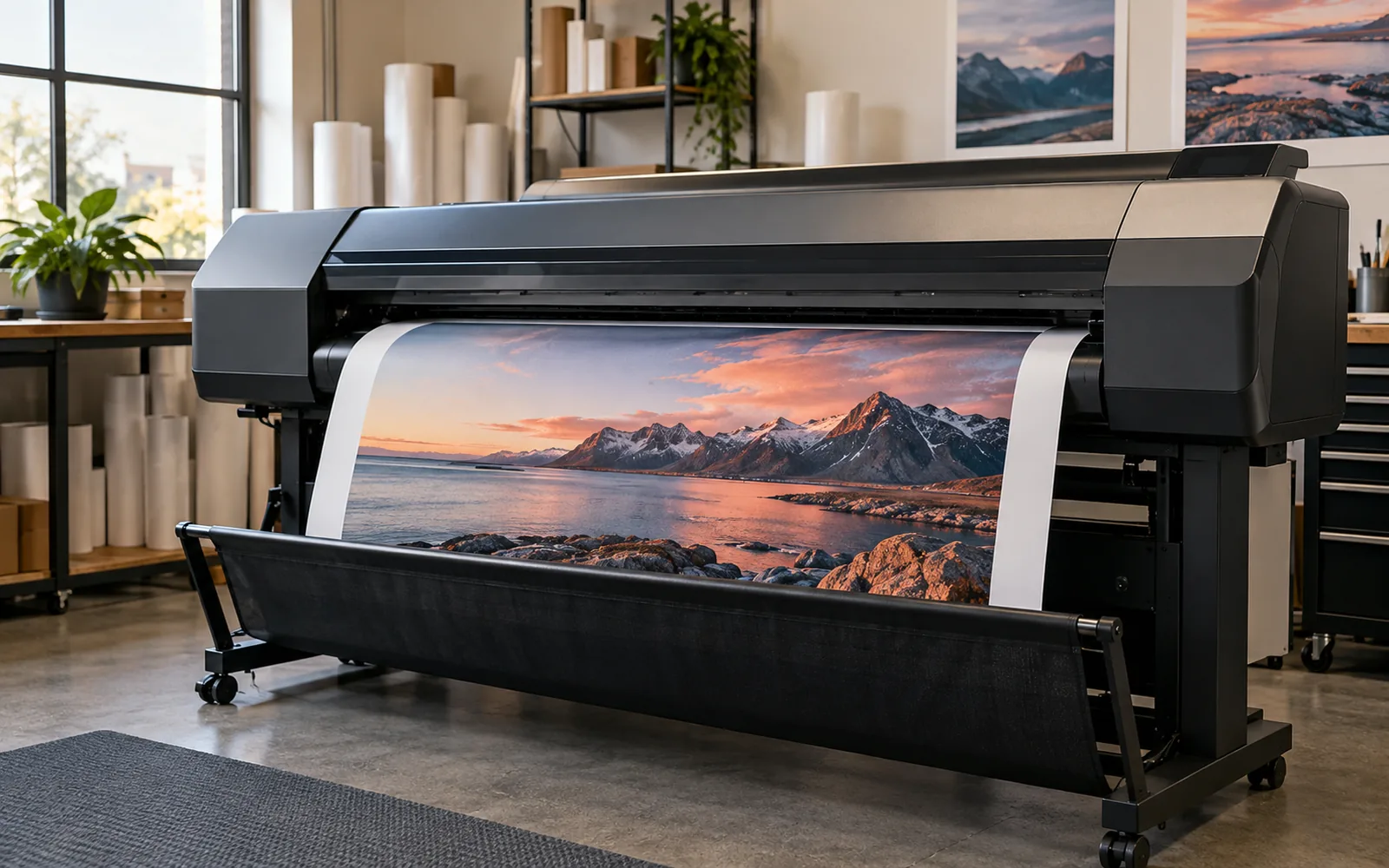
The substrate passes beneath printheads that deposit small droplets according to the artwork, then through the drying or curing stage used by that system. This workflow suits approved banners, adhesive films and flexible display media. A rigid board may instead require another direct-printing process or a printed adhesive graphic mounted to its surface.
Roll width is not necessarily the usable image width: feeding, margins and finishing requirements vary. If a wall is wider than the printable area, the artwork is divided into panels with planned joins. Send the finished dimensions and a site photograph, and ask where a join will fall relative to the logo, faces and important text.
2. What changes between eco-solvent and latex?
Eco-solvent ink is used with compatible flexible media, including certain vinyls and banner materials. Before lamination or installation, the print may need time for solvent release according to the ink formulation, material and manufacturer’s instructions. Do not transfer a drying interval between systems: a shorter interval approved for one combination is not a rule for all eco-solvent inks.
Latex uses water-based ink with heat and airflow to form the finished image. HP describes correctly cured prints as ready for finishing without the same solvent-release waiting stage. The media and its appropriate settings still need validation: the word latex alone does not establish compatibility with every thin film or heat-sensitive substrate.
| Aspect | Eco-solvent | Latex |
|---|---|---|
| Readiness for lamination | System-specific drying and solvent-release guidance | Completed curing and film compatibility |
| Media selection | Media approved for the ink and application | Media approved for the system and curing conditions |
| Colour approval | A sample on the final substrate | A sample on the final substrate |
3. Match the media to its destination
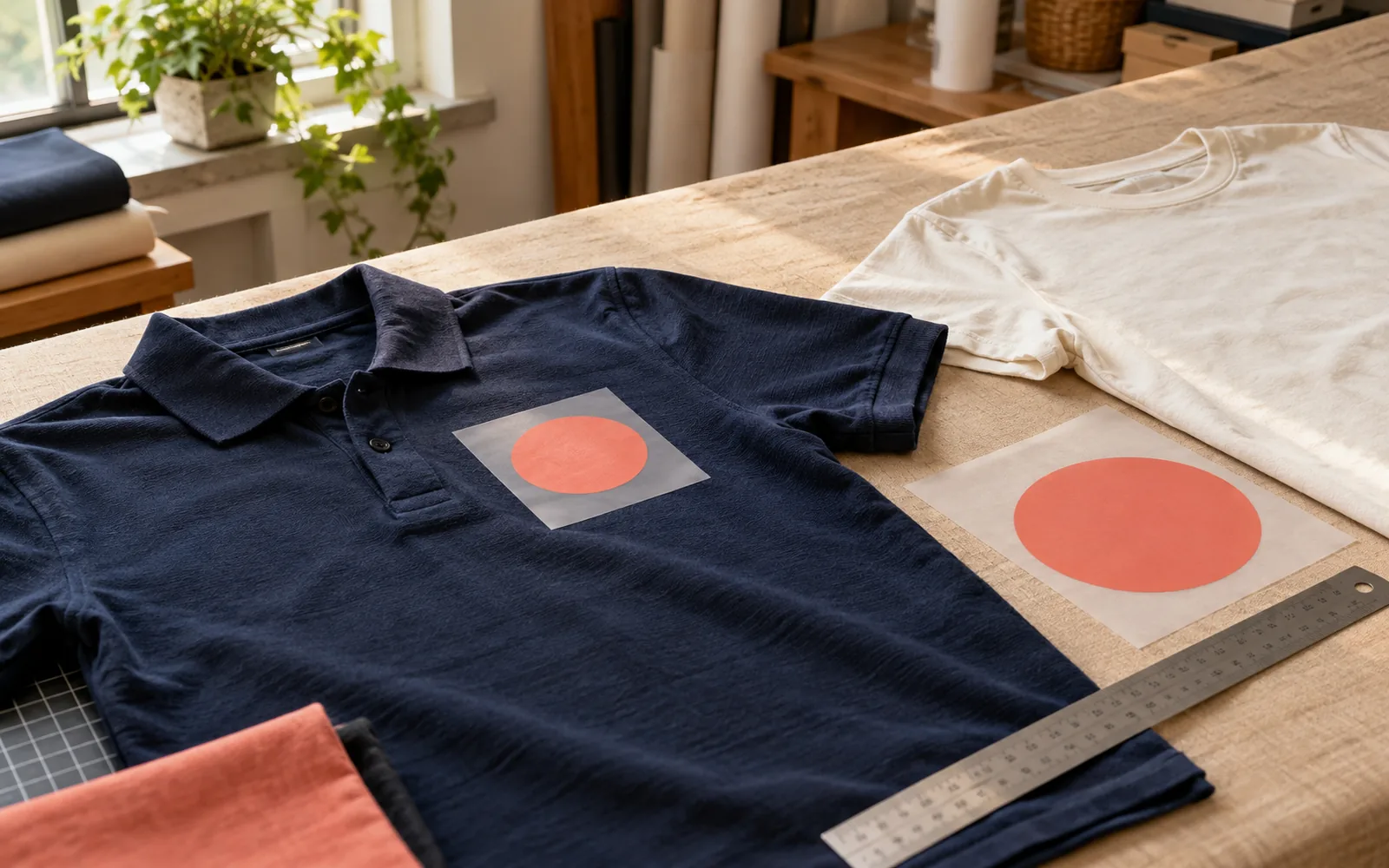
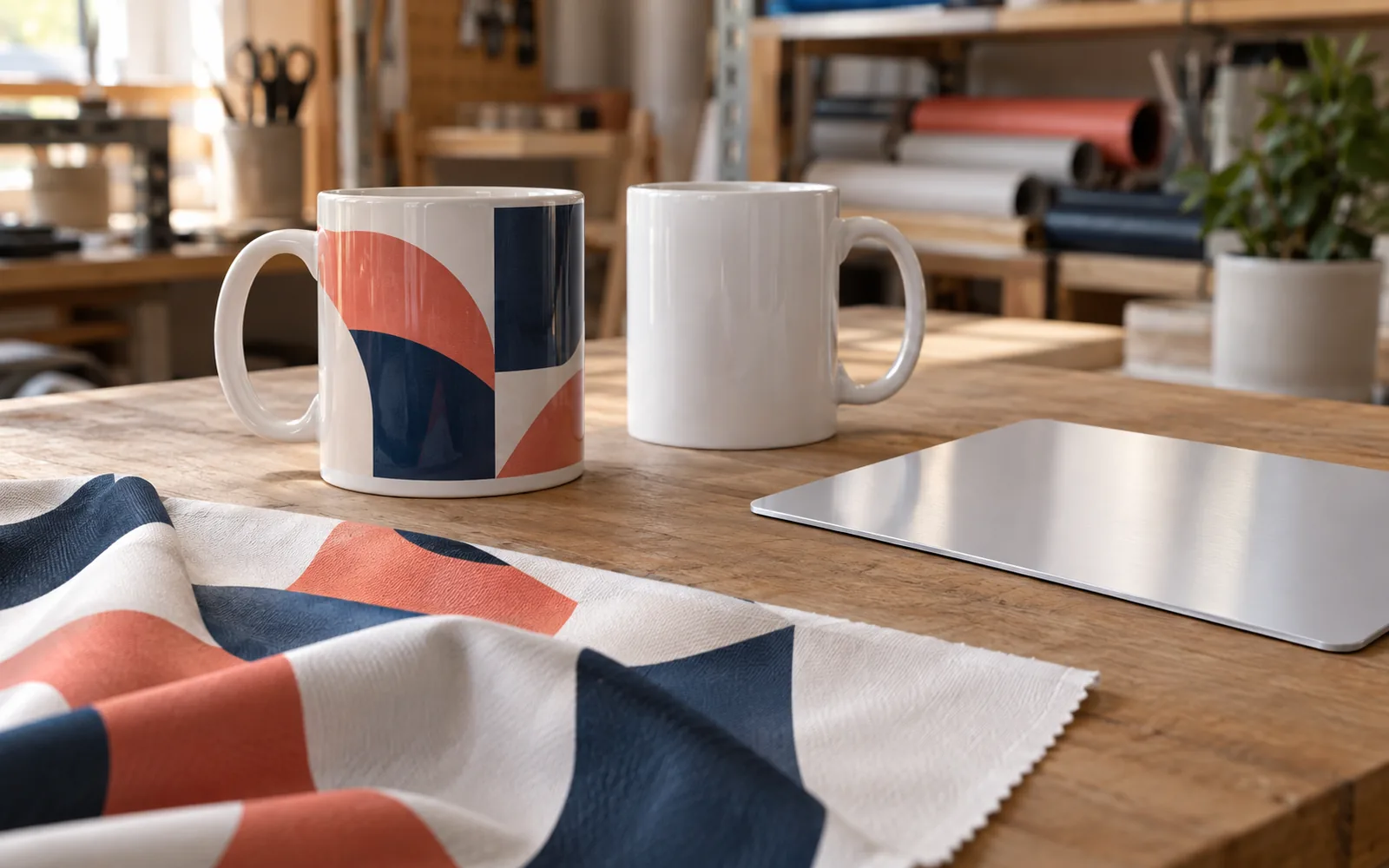
A temporary window sticker, a graphic on a curved surface and a hanging banner are different briefs. The media specification establishes intended uses, suitable surfaces, adhesive behaviour and removal guidance. Do not assume every vinyl suits vehicles or every painted wall. A textile may need an ink-receptive coating; its fabric appearance does not prove printer compatibility.
Say whether the graphic will be viewed through glass or directly, and whether it will be backlit. Transparency and opacity affect the result. For outdoor work in Muscat, describe actual sun exposure, cleaning, water and mounting conditions. Service-life expectations depend on the media, ink, protection and exposure together, rather than on the label outdoor alone.
4. How do you review a useful sample?
Ask for a sample containing the logo colour, small text and a gradient or photograph from the artwork, produced on the proposed media with its finish. Assess it at the normal viewing distance and under lighting similar to the location. A phone photograph helps discussion but cannot establish a precise colour match because the display and lighting alter its appearance.
Check broad colour areas and letter clarity, then review the finished construction: does it need a protective laminate, contour cutting, or pockets and eyelets? These stages affect lead time and the final object. Approval should not depend only on an advertised resolution; artwork, media and finishing also shape quality.
5. The job brief and production care
For the operator, consistent quality starts with routine print checks and approved care for the printheads, media path and storage conditions, following the machine manual. Recurring faults belong with a technician, and safety data and workplace requirements must be followed. For the customer, record the approved sample, specification and actual required date so finishing is not overlooked.
- Finished size, quantity, and a photograph of the surface and display location.
- Indoor or outdoor use, intended service period and removal expectations.
- Artwork, colour reference and viewing direction for glazing where relevant.
- Lamination, cutting and installation scope, and the date by which all are needed.
Common questions
Is latex better for every job?
The choice depends on the substrate, application, finishing and available system. Compare an appropriate sample and specification rather than relying on the ink name alone.
Does every banner need lamination?
Protection should be reviewed against the banner material, ink and handling. A generic film should not automatically be added to every flexible material; confirm compatibility and a useful purpose.
Sources and further reading
YOUR NEXT STEP
Turn the details into a clear brief.
Send the print dimensions, a photograph of its destination and the intended service period to review suitable media and finishing.